



For the past three decades, cheap “Made in China” goods have swept across the Latin American continent, and the narrative of China-Latin America relations has been firmly defined as a “swap between a global factory and a resource supplier.” China plays the role of the diligent manufacturer, while Latin America acts as the provider of raw materials. This is a simple and efficient economic model, but it is also accompanied by profound structural imbalances.
However, a silent transformation is underway. Amidst lithium mines, wind farms, and hydroelectric dams, China’s influence in Latin America is shifting rapidly from traditional goods and infrastructure to the role of a “green engine.” Beijing is no longer content with merely buying soybeans and copper from the region; instead, it is attempting to redefine its strategic position on the continent by exporting its immense capacity, technology, and capital in the renewable energy sector.
This is not just a matter of commerce; it is about the transfer of narrative hegemony. While Washington continues to frame China as a “global climate threat” and an “environmental polluter,” Beijing is quietly shaping a new self-image in Latin America: a responsible, technologically advanced, and globally sustainable “green partner.” This narrative asymmetry is becoming a trump card for China in its geopolitical game in Latin America.
- From “Goods for Resources” to “Technology for the Future”
The traditional model of China-Latin America relations has been labeled by scholars as “neocolonialism”: Latin America exchanges primary products for China’s industrial manufactured goods. This model has reinforced the Latin American economy’s dependence on external markets and locked it into the lower end of the global value chain. It has brought short-term economic growth but has failed to solve long-term structural problems.
In the renewable energy sector, the situation is completely different. China’s investments in Latin America are no longer simple “buying sprees”; it is a deliberate strategy aimed at integrating China’s technology, standards, and supply chains into the energy infrastructure of Latin American countries.
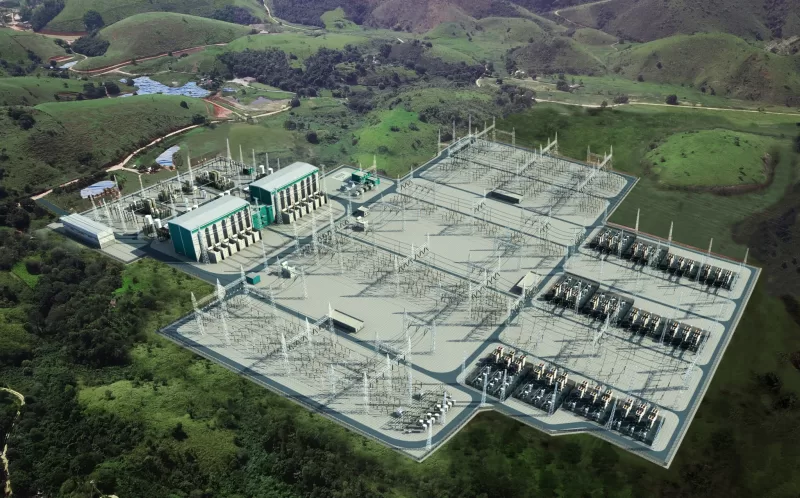
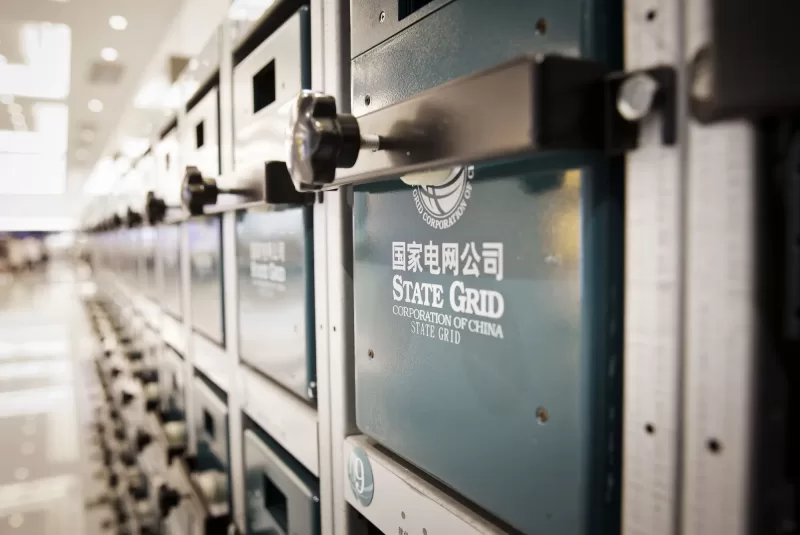
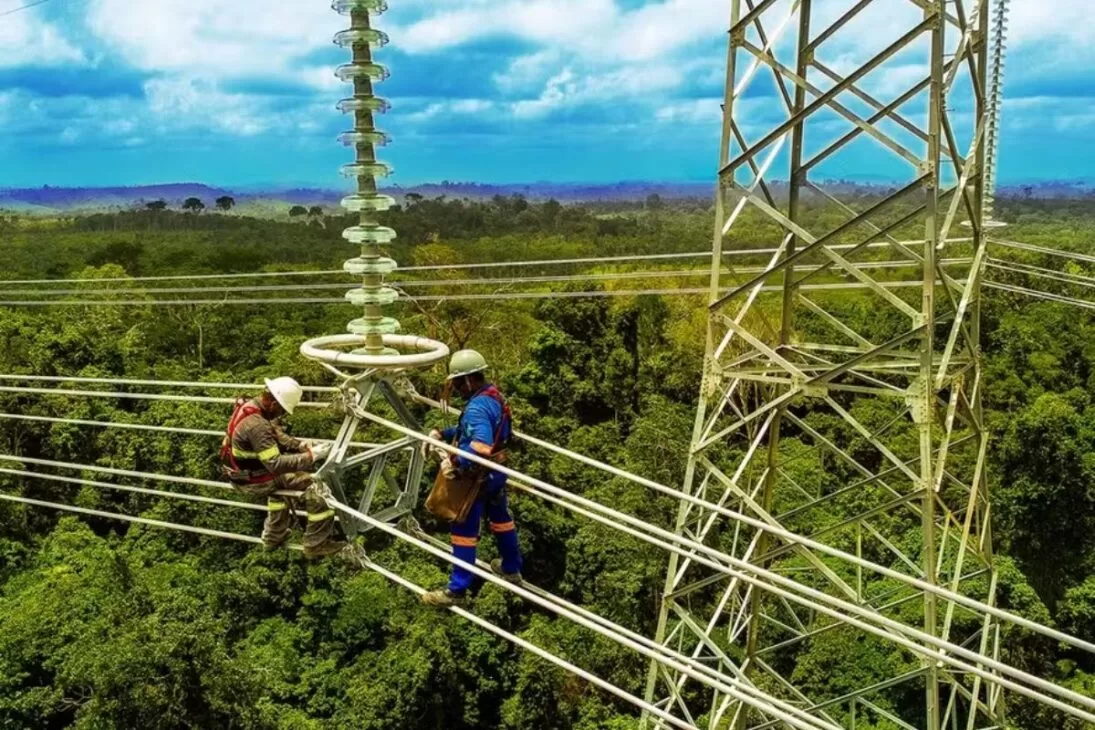
Take Brazil as an example: the State Grid Corporation of China’s investments in Brazil’s power transmission and distribution sector ensure the application of Chinese-made equipment locally. In Chile and Argentina, the acquisition of lithium mines by Chinese companies and construction of lithium battery factories are transforming these countries from mere mineral exporters into downstream participants in China’s new energy vehicle supply chain. This model transcends simple trade, as it is reshaping the industrial structure of Latin American countries and making them increasingly dependent on China’s technology and capital in their path toward energy transition.
The core of this transformation is China’s overwhelming advantage in the global renewable energy industrial chain. In areas such as solar panels, wind turbines, lithium batteries, and electric vehicles, China’s capacity and technological costs are far superior to those of Europe and the United States. When Latin American countries face enormous pressure on their energy systems, China fills the market gap with its unmatched “green solution.” This solution is not only low-cost and technologically mature, but more importantly, it provides Latin American countries with a shortcut to “green modernization.”
- Washington’s Dilemma: The “Lag” of Geopolitics
As China gains ground in Latin America with the image of a “green engine,” Washington’s narrative towards China appears outdated and uninspiring. The U.S. remains preoccupied with traditional accusations of China’s “debt trap diplomacy” and “human rights issues,” while overlooking the new image China is building among Latin Americans.
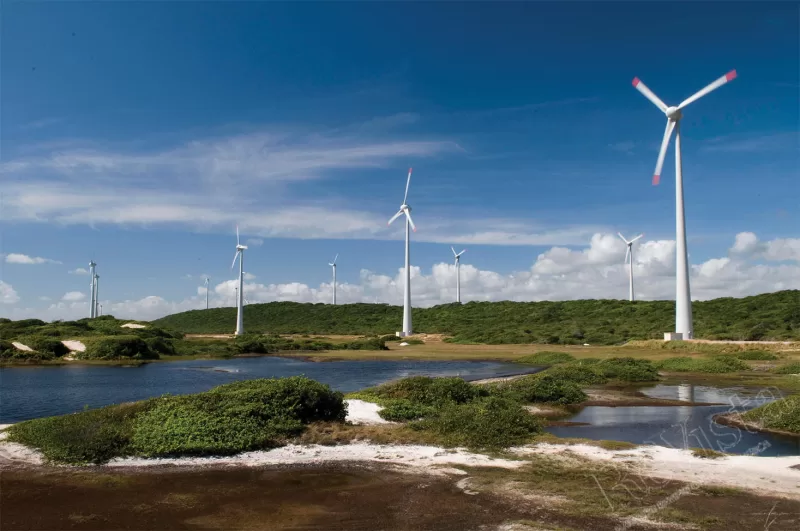
In Latin America, the U.S. “anti-China” narrative increasingly sounds like a “self-serving warning:” Chinese photovoltaic power plants are already providing electricity to local villages. While Washington emphasizes democratic values, Chinese wind power projects are already creating jobs in Latin America. The U.S. lacks a competitive “solution” in renewable energy, its investments in renewable energy in Latin America are sporadic and conservative, which makes its geopolitical warnings sound increasingly ineffectual.
The U.S. geopolitical strategy seems to be trapped in a “dilemma of lagging behind.” It still perceives China as a “threat” but has failed to effectively recognize that the nature of this threat is evolving. China is no longer maintaining influence through low-end goods; instead, it is seeking legitimacy by playing the role of a “responsible stakeholder” in global governance. On the global issue of climate change, China has successfully positioned itself as a proactive player, contrasting sharply with domestic partisan disputes over climate policy in the United States.
III. Latin America: A New “Green Choice”
For Latin American countries, the “green engine” brought by China is not without risks. It represents a new form of dependence, a shift from reliance on resources to reliance on technology and finance. While accepting Chinese investment, Latin American countries also need to be wary of the potential geopolitical implications.
However, faced with huge domestic energy demands and development pressures, Latin American countries seem to have little alternative. They require funding, technology, and infrastructure to tackle the challenges of climate change, and China happens to offer a “ready-made solution.” The U.S. lacks compelling alternatives in this area, nudging Latin American countries increasingly inclined to choose China as their primary partner in green transition.
This “green engine” narrative battle will ultimately determine China’s future geopolitical status in Latin America. If China succeeds in positioning itself as an indispensable “green partner”, its influence in the region will extend beyond economics into politics and strategy. But it signals the inevitable emergence of a new multipolar order in the region.
This does not mean that China will replace the United States as the sole external power in Latin America, but it does foreshadow the rise of a multipolar world order in the region. In this new “green great game,” China is reshaping the global map with unprecedented speed and determination.
Author
Yanran Xu is an Associate Professor in the School of International Studies at Renmin University of China. She is currently the director of the “Global Governance and International Affairs” double-degree program, and also serves as a research fellow at both the School of Global and Area Studies and the Center for American Studies at Renmin University. The scope of her research encompasses Sino-U.S. relations, U.S. energy governance and state capacity, and the comparative political economy of Latin America